

Rodents remain active throughout the year, but homeowners often begin noticing them indoors during the fall. Cooler nights, changing outdoor food sources and easy access to warm crawlspaces, attics and garages can make a house an attractive place to settle.
The problem usually isn’t that a home is dirty. In many cases, a mouse or rat simply discovers an opening that is large enough to enter—and once it finds food and shelter, it has little reason to leave.
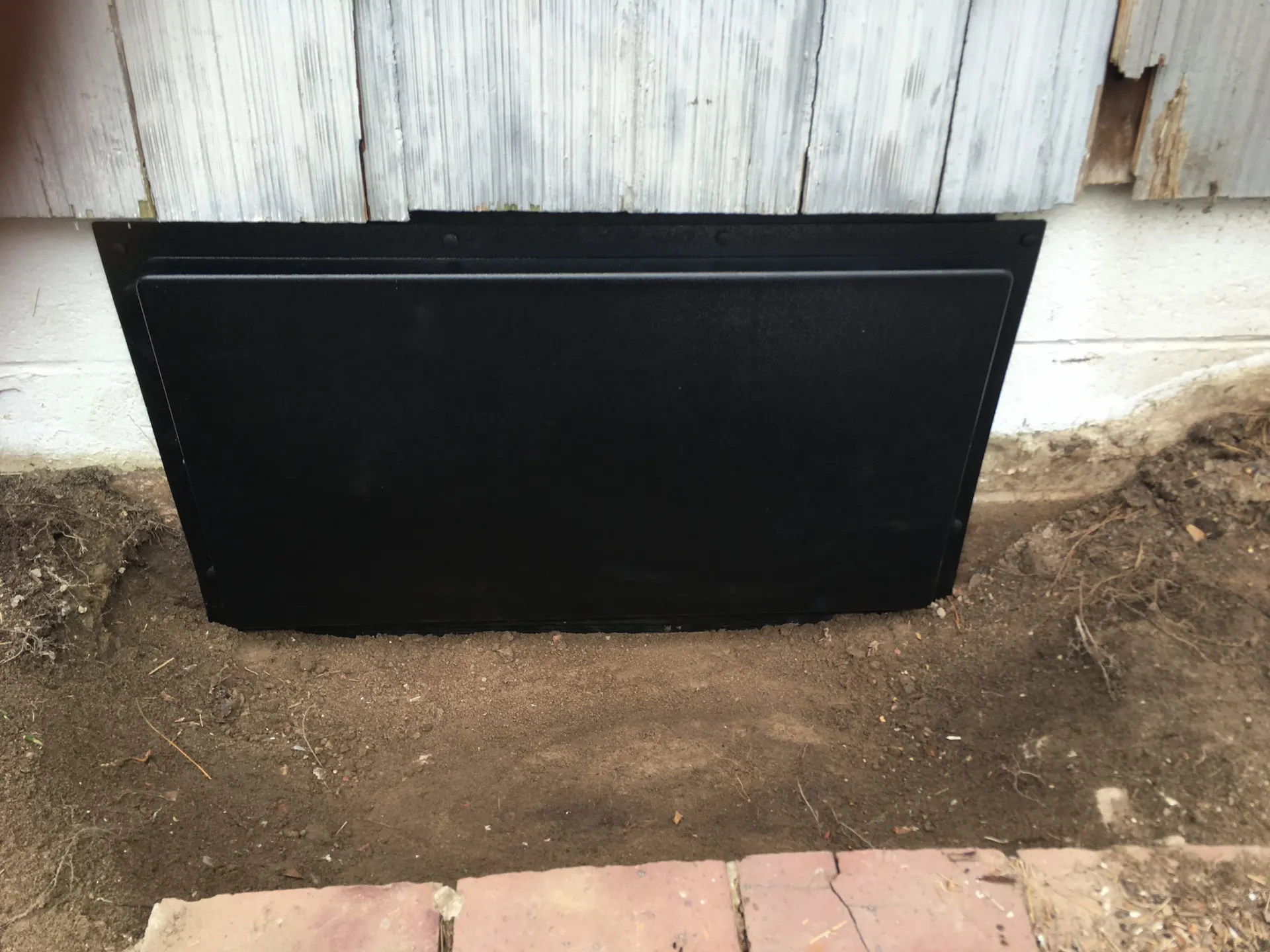
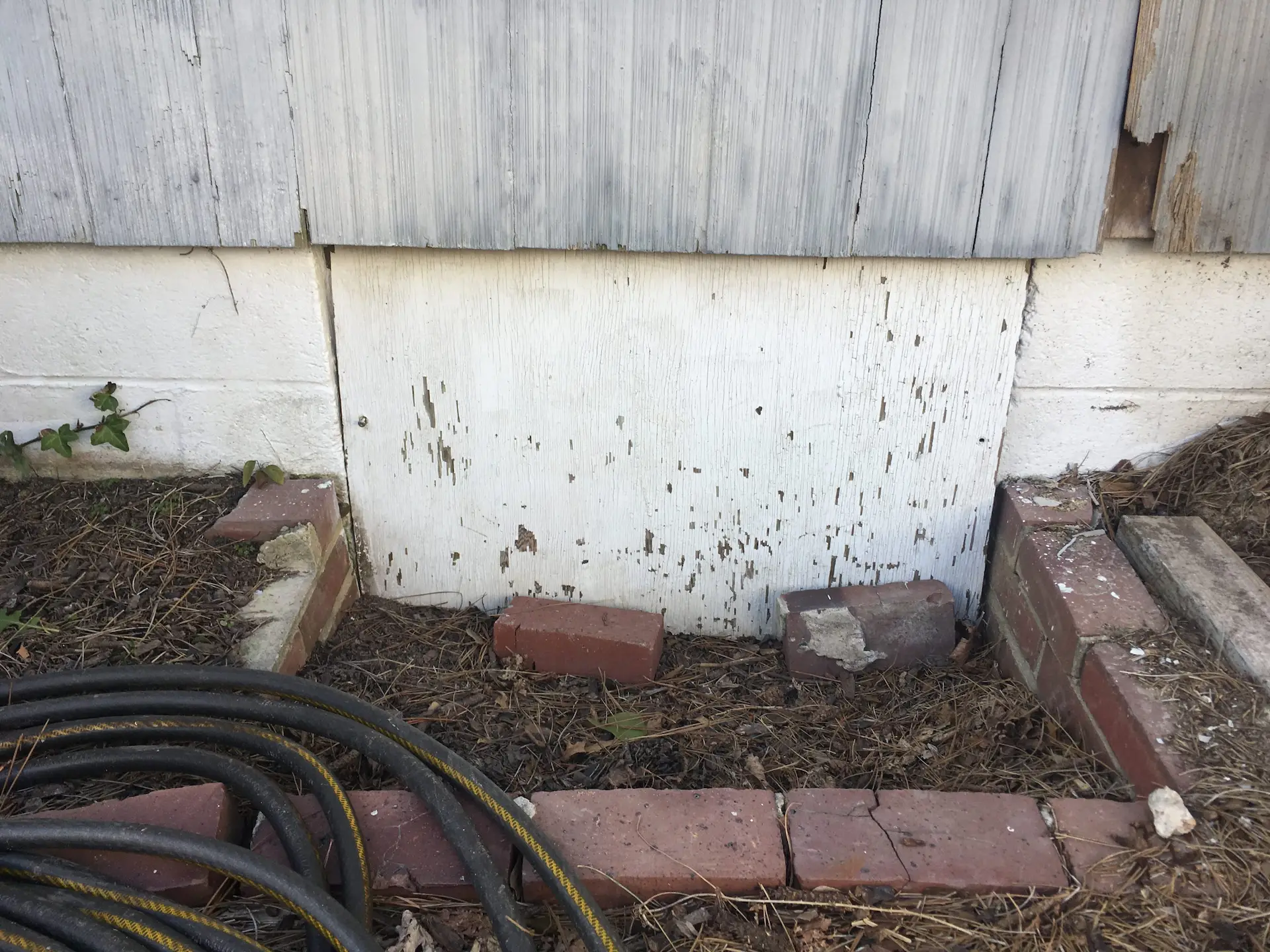
Mice and rats enter Hampton Roads homes during the fall because indoor spaces provide stable temperatures, protection from weather, nesting areas and dependable food.
Common entry points include:
- Openings around crawlspaces and foundations
- Gaps beneath garage doors
- Plumbing, cable and utility penetrations
- Damaged crawlspace or attic vents
- Openings around exterior doors
- Roofline and soffit gaps
- Spaces beneath decks, porches and additions
Mice can enter through openings approximately ¼ inch wide, while rats may fit through openings around ½ inch wide. That means a gap that appears insignificant to a homeowner may be an open doorway to a rodent.
Why Hampton Roads Homes Can Be Vulnerable
Hampton Roads contains a wide variety of home styles, from older properties with aging foundations to newer homes with attached garages, crawlspaces and numerous utility penetrations.
Our coastal environment also means many homes experience moisture around crawlspaces, foundations and low-lying areas. Dense neighborhoods, wooded property lines, waterways, bird feeders and outdoor storage can all provide rodents with food or shelter close to a home.
Whether it is an older house in Norfolk or Portsmouth, a crawlspace home in Chesapeake, a garage entry point in Virginia Beach or a property on the Peninsula, rodents need only one overlooked opening to get inside.
The Most Common Places Mice and Rats Get In
1. Crawlspace and Foundation Openings
Damaged crawlspace vents, loose access doors and gaps where the foundation meets the structure are common rodent entry points.
Once inside a crawlspace, rodents may move through plumbing openings, wall voids and HVAC areas to reach kitchens, bathrooms and other parts of the home.
2. Utility and Plumbing Penetrations
Cable lines, electrical wiring, plumbing pipes and HVAC components must pass through the exterior of the house. If the area around one of these penetrations is not sealed correctly—or the original seal has deteriorated—it can provide rodents with direct access.
These openings are frequently hidden behind shrubs, air-conditioning equipment or utility boxes, making them easy to overlook.
3. Garage Doors
Garage doors rarely form a perfect seal, especially at the lower corners. Worn weatherstripping, damaged door sweeps and uneven concrete can leave enough room for mice to enter.
Garages also commonly contain attractive food sources such as birdseed, grass seed, pet food and unsecured garbage. Once inside the garage, rodents may find additional openings leading into walls, attics or living spaces.
4. Exterior Doors
A visible strip of light beneath an exterior door usually means there is enough space for insects—and possibly mice—to enter.
Side doors, utility-room doors and doors leading from a garage into the house should all have secure weatherstripping and properly fitted door sweeps.
5. Rooflines, Soffits and Attic Vents
Rodent inspections should not focus only on the ground. Rats and mice can climb siding, brickwork, pipes, trees and nearby vegetation to reach higher openings.
Damaged soffits, loose roofline materials and unscreened attic vents can allow rodents to enter an attic and begin nesting in insulation or stored belongings.
6. Decks, Porches and Home Additions
Decks and porches can conceal foundation openings and provide protected travel routes. Additions may also create gaps where new construction connects to the original structure.
These areas often require a careful inspection because the entry point may not be visible from an ordinary walk around the house.
Signs You May Already Have Rodents
You may have a rodent problem even if you have never seen a live mouse or rat. Common warning signs include:
- Scratching or movement inside walls or ceilings, especially at night
- Droppings in cabinets, drawers, garages, attics or crawlspaces
- Gnaw marks on food packaging, wood, wires or stored belongings
- Shredded paper, insulation or fabric used as nesting material
- Greasy rub marks along walls, pipes or frequently traveled areas
- Unexplained odors in enclosed spaces
- Pets repeatedly focusing on one appliance, cabinet or section of wall
- New droppings appearing after an area has been cleaned
Rodents typically remain close to walls and protected edges as they move around. Finding droppings or gnaw marks along these routes can help identify where activity is occurring.
Why Trapping Alone May Not Solve the Problem
Catching the rodent you hear inside the house can reduce the immediate activity, but it does not necessarily correct the reason it entered.
If the original access point remains open, another mouse or rat can follow the same route. Effective rodent control should therefore address the complete problem:
- Identify whether the activity involves mice or rats.
- Locate nesting and travel areas.
- Reduce the active rodent population.
- Find the exterior entry points.
- Correct accessible openings when appropriate.
- Remove food and shelter conditions that encourage activity.
- Monitor for continuing or returning signs.
The order matters. Sealing openings without understanding where rodents are traveling can trap animals inside walls, attics or crawlspaces.
What Homeowners Can Do Before Fall
A few preventative steps can make your home less inviting:
- Replace damaged door sweeps and weatherstripping.
- Repair loose crawlspace doors and damaged vent screens.
- Inspect areas where pipes, wiring and cables enter the house.
- Store pet food, birdseed and grass seed in sturdy containers with tight lids.
- Avoid leaving pet food out overnight.
- Keep garbage containers closed and clean up spilled food promptly.
- Trim thick vegetation away from the foundation.
- Remove clutter that provides sheltered nesting areas.
- Check garage-door corners for visible gaps.
- Have recurring noises or droppings investigated before the activity spreads.
Use durable, rodent-resistant materials when correcting entry points. Rodents can chew through softer materials, so expanding foam by itself may not provide a lasting repair. The EPA recommends materials such as metal mesh, sheet metal or other durable barriers appropriate for the opening.
A Safety Note About Rodent Droppings
Do not sweep or vacuum dry rodent droppings, urine or nesting material. Doing so can send contaminated particles into the air.
The Centers for Disease Control and Prevention recommends wearing protective gloves, thoroughly wetting contaminated material with an appropriate disinfectant and allowing it to soak before wiping it up. Heavy infestations or contamination in inaccessible areas may require professional assistance.
When to Call a Rodent-Control Professional
Consider professional help when:
- Droppings continue to appear after cleaning.
- Scratching noises return after traps have been used.
- Activity is occurring inside walls, attics or crawlspaces.
- You cannot determine how rodents are entering.
- Insulation or stored belongings have been contaminated.
- You are concerned about using traps or products around children or pets.
- The problem has occurred repeatedly.
Professional rodent control should involve more than placing a few traps. The goal is to identify the rodent, determine how it is entering, reduce the current activity and help prevent the same problem from returning.
Rodent Control Throughout Hampton Roads
Bust-A-Bug provides professional rodent control throughout Hampton Roads for homeowners dealing with mice, rats, scratching noises, droppings, gnaw marks and recurring rodent activity.
We serve homeowners in Virginia Beach, Chesapeake, Norfolk, Portsmouth, Hampton and Newport News.
If you are hearing movement, finding droppings or seeing signs of gnawing, call 757-821-5420 or contact Bust-A-Bug to schedule an inspection.

